We both became fascinated by complexity science, and that is how we met. We would like to bring what we have learned from it closer to everyday practice: for clinicians, researchers and clients, and for anyone curious about how things might also be done differently.
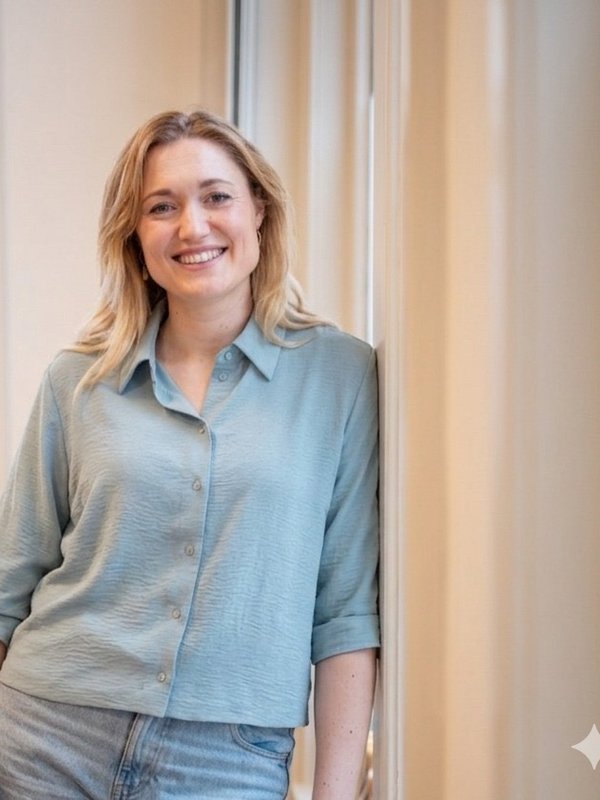
Hanneke Feijs
Clinical psychologist & psychotherapist (BIG) · PhD candidate, Radboud University / Donders Institute · senior lecturer in diagnostics, Dutch postgraduate training in clinical psychology (GZ programme, V&O), RINO Group Rotterdam · own practice Proces & Patronen, Utrecht
Studied psychology and philosophy at Erasmus University Rotterdam, completed her clinical training through the Topklas programme of RINO Utrecht, and is trained in the Synergetic Navigation System under Günter Schiepek. Her doctoral research concerns the relationship between executive functioning, personality and psychopathology, studied with network analysis and methods from the science of complex systems.
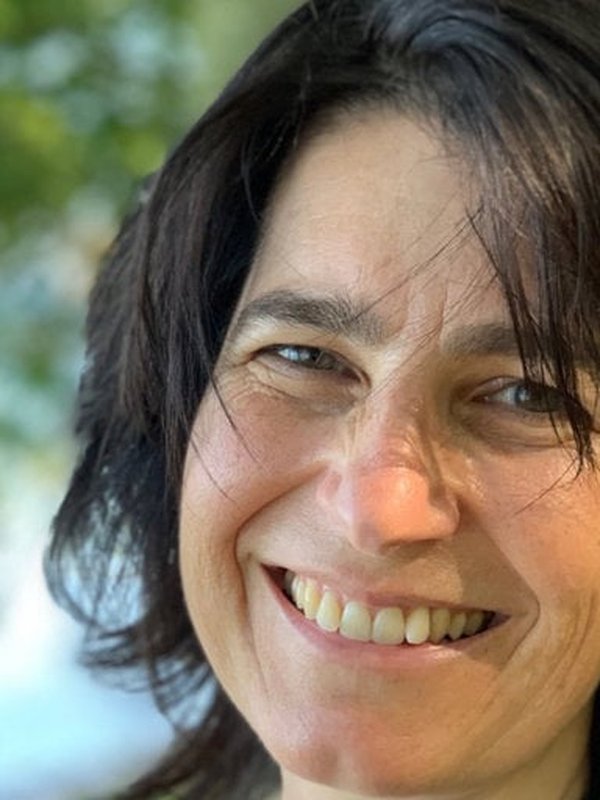
Gabrielle van Son
Senior researcher, GGZ Rivierduinen · Maastricht University · Parnassia
Obtained her doctorate on the epidemiology of eating disorders and now focuses on the connection between scientific research and everyday clinical practice, with a particular interest in the common factors that are active across very different treatments. She is also trained in the Synergetic Navigation System under Günter Schiepek.
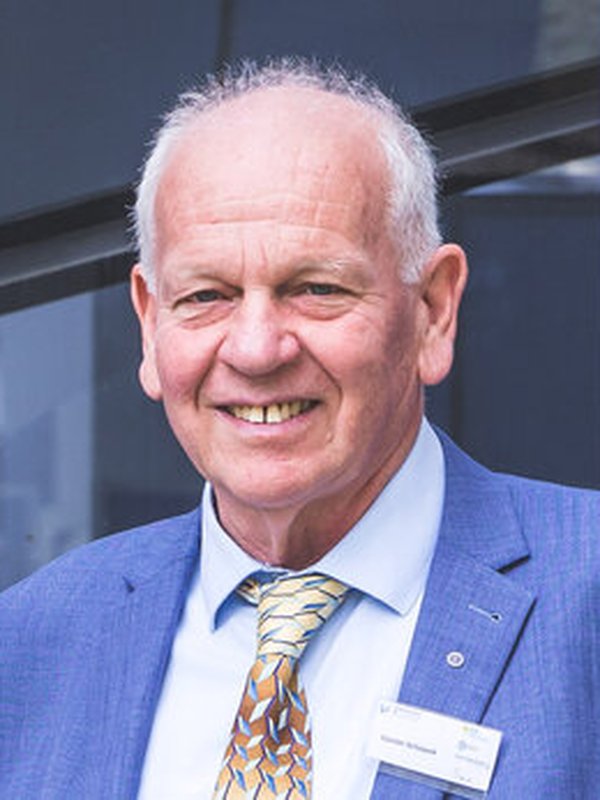
scientific adviser & patron
Prof. dr. Günter Schiepek
Internationally regarded as one of the founders of the application of complexity science to psychotherapy. He worked for many years with Hermann Haken (synergetics) and founded the Institut für Synergetik und Psychotherapieforschung in Salzburg, where the Synergetic Navigation System was developed: an instrument that makes the self-organising course of a treatment visible from day to day. His well-known works include Systemische Psychologie (with Strunk, 2006) and Integrative Psychotherapy (2015). He is connected to this platform as scientific adviser.
The platform is starting small and growing, fittingly for its subject, in a somewhat entropic way. Colleagues from the Dutch and European community around complexity in psychology are welcome to join, as speakers, as members of a reading group or as co-authors of what we do next.